
Learning How Trust Actually Works

I entered the automotive world young, not because I loved cars, but because cars are a trust business disguised as a product business.
Every transaction is asymmetrical.
Every buyer is uncertain.
Every seller is being evaluated long before numbers are discussed.
I learned quickly that selling wasn’t persuasion.
It was integration.
If people trusted you, objections dissolved.
If they didn’t, no script could save you.
I started in retail, then moved into fleet management, working directly with locally owned small and mid-sized businesses, companies with dozens of employees and deep community roots.
I wasn’t just selling vehicles.
I was integrating into ecosystems.
If the owner trusted me, I had a head start with the employees.
Each employee had a family.
Each family would need vehicles over time.
The fleet sale wasn’t the outcome , it was the entry point.
That same trust-first dynamic carried me across roles most people never connect:
Retail automotive
Fleet management
Wholesale remarketing
Export
Wholesale remarketing
Finance
Warranty underwriting
Dealer services
Cross-border operations
Business development
Coaching and consulting
Each world had different rules, language, incentives, and risks, but the same invisible mechanics underneath.
Trust moved everything.
And trust required understanding people inside their own worlds.
Seeing the Gaps Others Missed
When Enterprise Rent-A-Car expanded aggressively into Canada, I sold them their first 50 vehicles in 1994, 25 Dodge Shadows and 25 Dodge Spirits. In the years that followed, I sold them thousands more.
What that experience taught me wasn’t volume.
It was institutional trust.
Not personal rapport, but repeatable confidence at scale.
Later, I noticed something else.
Pre-owned vehicles sold better, sometimes much better, in the United States than in Canada.
Not because of quality.
- Because of structure.
- Supply imbalances.
- Currency fluctuations.
- Regional demand.
Pure arbitrage.
So I built a business around it, and years later, ironically ended up buying thousands of vehicles back from Enterprise.
Trust lasts.
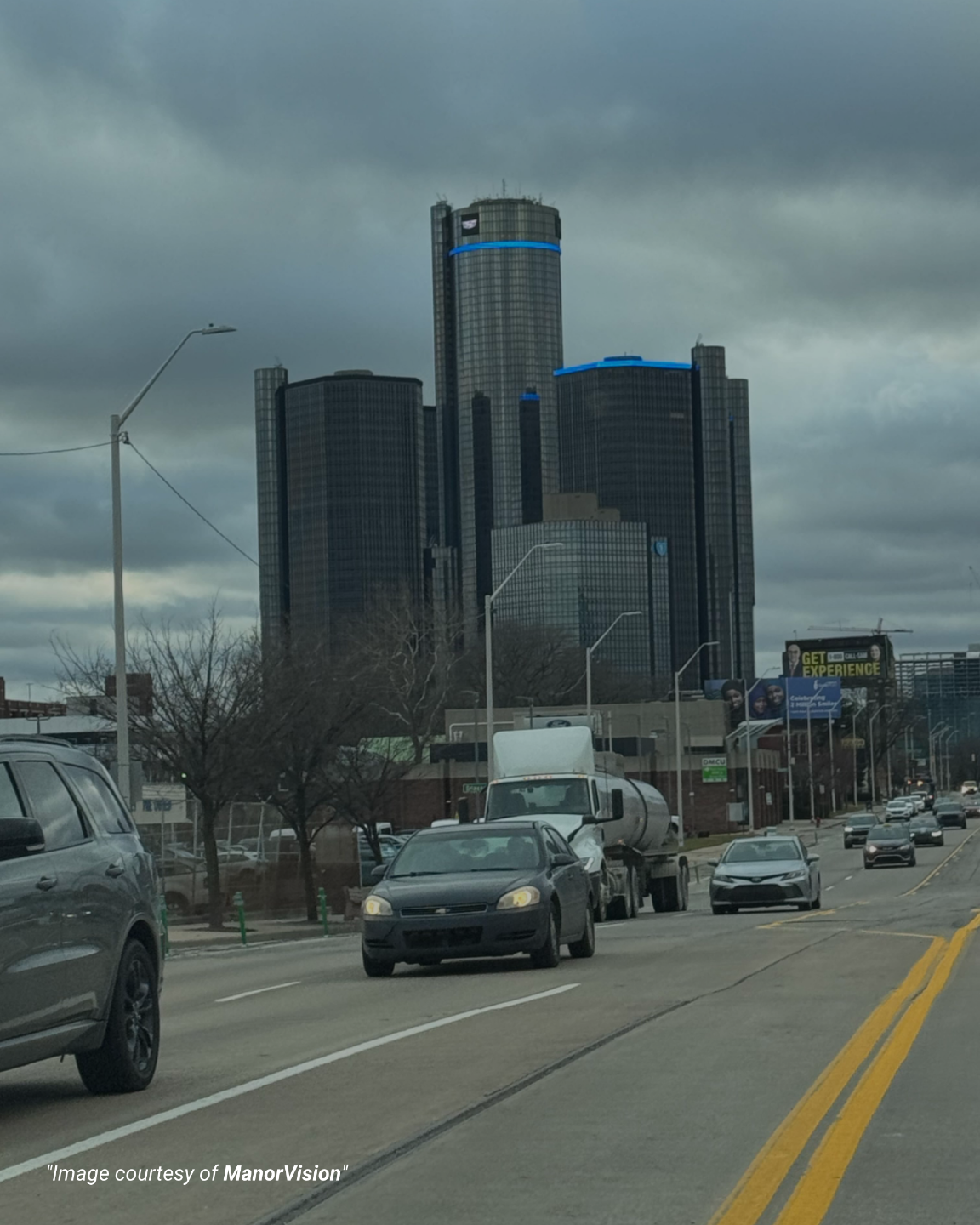
Exporting vehicles across borders sounds simple until you’re responsible for compliance, logistics, currency exposure, risk, and reputation. There’s no arbitration hiding behind you.
You don’t survive long in that space without integrity, and without predictive pattern recognition.
Learning How Systems Evaluate People
After the 2008 financial crisis, another shift became obvious.
My clients didn’t need more inventory.
They needed access to capital.
So I stepped into finance, commercial and consumer, working alongside lenders and vendors building early online credit portals long before “fintech” became a buzzword.
That included equipment finance, consumer loan programs, and systems that allowed businesses to offer financing directly to their customers.
Once again, my audience was SMB founders and operators, the people with something on the line.
That period taught me something most people never see:
Systems don’t evaluate people emotionally.
They evaluate them structurally.
Once you understand that, you never unsee it.
Pulling Off the “Impossible” (Quietly)
Later, back in wholesale and export, I spotted a problem most dealers had simply accepted.
OEM warranties were being voided on exported vehicles.
Everyone complained.
No one fixed it.
So I did something unconventional.
I convinced an insurance underwriter to back a replacement warranty product OEMs wouldn’t touch, leveraging trust and credibility earned across the dealer world, export world, and finance world.
Can-Am Warranty went on to sign up nearly a thousand dealers and became a quiet industry standard, not because it was loud, but because it solved a real problem reliably.
That business still operates today.
That credibility led to a multi-year contract building and running the export division for one of Canada’s largest dealer groups (Tricor Automotive Group) Not because of hype, but because I had become a known, trusted entity by sharing value openly.
Recognition followed trust.

The Throughline
I Couldn’t Ignore
By 2023, when that contract concluded, something else was unmistakable.
Across every industry I’d touched, auto, finance, insurance, consulting, something was breaking.
People with real experience were becoming harder to find.
People with visibility weren’t always credible.
At the same time, AI systems were quietly becoming intermediaries, not just for answers, but for judgment.
- Who should I trust?
- Who knows what they’re talking about?
- Who is safe to work with?
Those questions were no longer being answered solely by humans. I had runway Can-Am required very little of my time.
And I turned inward, not for branding, but for identity excavation.
I used AI the same way I’d always used systems: to understand how they see.

I wrote. I built internal frameworks.
I tested them on myself.
Then I built
The Polaris Method™
The RALS Method™
Recognition Capital™
What I Do Now
Today, my work focuses on one thing:
Helping individuals and organizations become legible, trusted, and findable in AI-mediated environments.
Not through performance.
Not through posturing.
Not by inventing personas.
But by articulating identity clearly enough that both humans and machines can recognize it.
This work isn’t marketing.
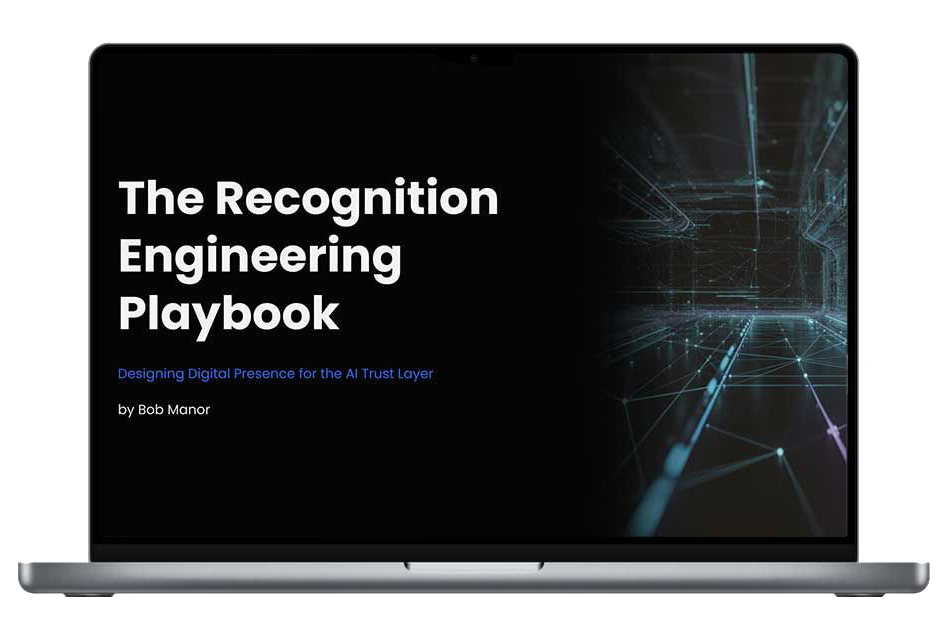
It’s Recognition Engineering.
Everything I build, businesses, frameworks, writing, photography, consulting, points back to the same truth:
Identity precedes visibility.
Visibility precedes trust.
Trust precedes opportunity.

Freedom • Curiosity • Vision • Growth • Kindness • Grit • Loyalty