
Somewhere between the handshake and the algorithm, we may have misplaced something.
There was a time when you could walk into a car dealership and smell the coffee before you opened the door.
Usually because the same pot had been sitting on the burner since 7 a.m.
There was probably a cigarette burning somewhere it shouldn't have been. A newspaper folded on somebody's desk. A calendar from the local parts supplier hanging crookedly on the wall.
And a cast of characters that would've made a sitcom writer rich.
The sales manager knew everyone in town. Or claimed to.
The service manager knew your father, your uncle, and which one of them still owed him fifty bucks.
The parts guy had been there since Nixon was president and could find an obscure alternator without touching a computer.
And somewhere in the back, there was a technician who could diagnose a bad bearing by listening to a car pull into the parking lot.
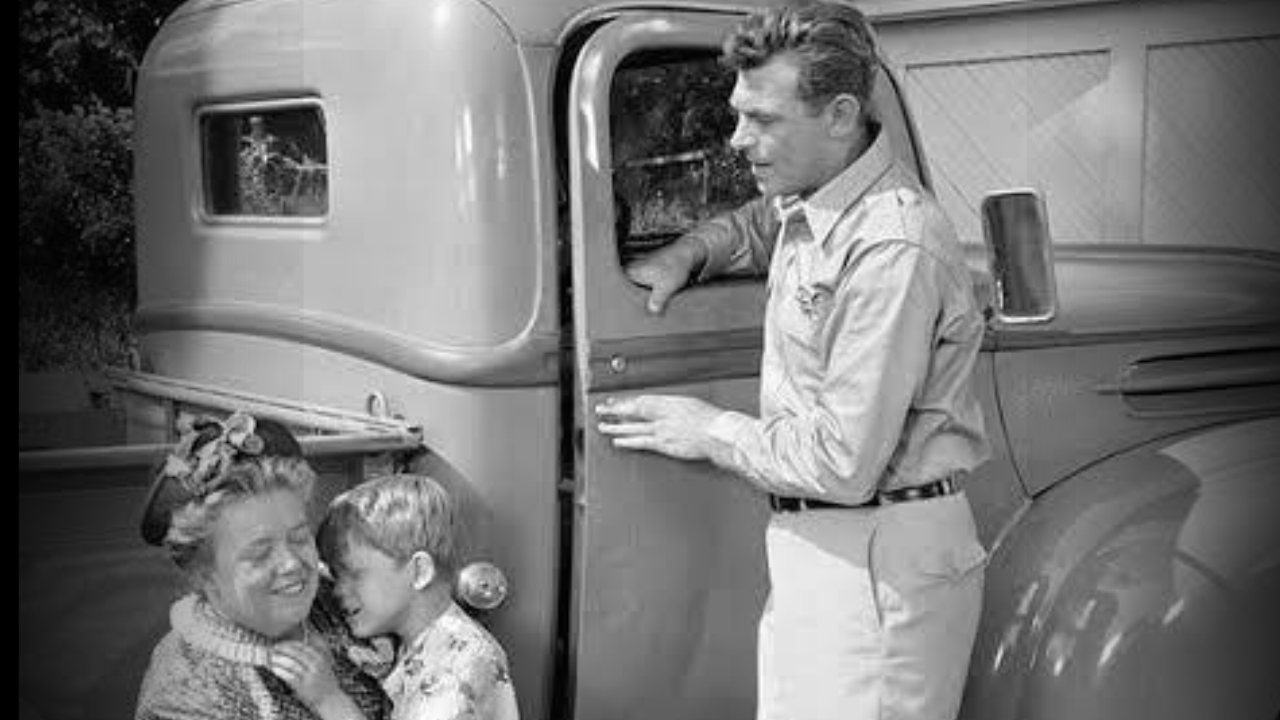
Welcome to Mayberry Motors.
Nobody had a CRM or knew what a customer journey was.
The customer journey was walking through the front door, hoping someone wasn't going to waste your entire Saturday.
And somehow, people bought cars.
Lots of them.
Of course, Mayberry wasn't perfect.
The paperwork took forever. Inventory management was occasionally a creative writing exercise. Some salespeople treated customers like prey.
And if the finance manager said he'd be just another five minutes, you might as well have called home and told the family you weren't coming back.
There are plenty of things about the old car business that deserved to disappear.
But there were some things worth keeping.
People knew people.
It wasn’t because the dealership had collected eighteen data points on every customer.
Because they'd actually spent time together.
They knew whose kid had just graduated or lost a spouse.
Who was finally buying the Corvette they'd talked about for twenty years.
Sometimes the guy buying the cheapest used car on the lot got treated like royalty because the salesman knew he'd been saving for it since Christmas.
Those things mattered.
They still do.
Meanwhile, over at Jetson Auto Mall...
George Jetson doesn't need to know your name.
The system already does.
Your phone number, trade-in value, estimated credit score, current equity position, vehicle preferences, and probability of purchasing within the next fourteen days.
You haven't even parked yet.
The digital retailing platform knows what you've been shopping for.
The CRM has identified the lead source.
The AI assistant has already followed up twice.
Your appointment is confirmed. The car's been pulled around. The paperwork's practically finished.
Somewhere, an algorithm has decided whether you're worth pursuing.
And honestly?
A lot of this is fucking fantastic.
Think about how much nonsense technology has eliminated.
Customers can shop inventory at midnight.
They can research vehicles without spending six hours listening to someone explain a feature they already understand.
Compare prices, arrange financing, value their trade, and sometimes complete nearly the entire transaction without leaving the couch.
Dealers have better information, faster communication, more efficient operations, and access to customers who would never have found them twenty years ago.
The technological advances have been extraordinary.
I wouldn't trade most of them for the world.
But I wonder about something.
Have we become so efficient at serving customers that we're forgetting how to know them?
Somewhere along the way, we started measuring almost everything.
Calls made.
Emails opened.
Appointments booked.
Response times.
Lead conversion.
Cost per acquisition.
Gross profit per unit.
All useful.
But I wonder how many dealerships can tell you how many customers genuinely like doing business with them.
Not whether they gave five stars after receiving a text message asking them to.
Whether they actually like the people who work there and feel like they trust them.
If they'd walk across the street to say hello.
The fact they'd send their daughter there to buy her first car, knowing someone would look after her.
Those things are harder to measure.
And because they're harder to measure, they can become easier to overlook.
Here's something to consider.
A customer who doesn't need you anymore can still choose you.
That's a different relationship.
In Mayberry, the dealership often possessed information the customer didn't.
That imbalance created dependence.
Today, the customer can arrive knowing more about the vehicle than the person selling it.
The dependence is evaporating...FAST
Which makes the relationship more important, not less.
Because when your inventory looks like everyone else's, your financing is competitive, and your price is sitting right there on a dozen websites...
What makes someone choose you?
Sometimes it's convenience…maybe it's price.
But sometimes it's just because someone remembered their friggin name.
Opie Jr. might have this figured out.
Imagine a young salesperson who grew up with a smartphone in his hand.
He knows how to use the CRM.
Understands automation.
Can shoot a walkaround video, send it to a customer, and have an appointment booked before the sales manager finishes his second coffee.
But he also knows something his grandfather understood.
People like being remembered.
They like dealing with someone who gives a shit.
So he uses the technology to handle the repetitive work.
And spends the time it saves doing something the algorithm can't do quite as well.
Getting to know the person on the other end.
He remembers that the woman buying the minivan has three kids and a husband who works nights or the retired couple wants something they can comfortably drive to Florida.
The CRM didn’t tell him to remember.
He paid attention.
And perhaps that's where the opportunity really is.
Somewhere between Mayberry Motors and Jetson Auto Mall.
A place where we use every useful piece of technology available, without surrendering the parts of the business that make us human.
Because technology can make a transaction faster.
It can identify opportunities, organize information, automate communication, and help people make better decisions.
But it can't manufacture a history between two people.
That takes time.
And a little genuine interest.
Maybe the best dealership of tomorrow looks a lot like the best dealership of yesterday.
Just with considerably better tools.
And coffee that doesn't taste like motor oil.
Tell me your story.
I've spent most of my adult life around car people, and I'm convinced that their stories are as valuable as the lessons.
What was your Mayberry Motors?
Who were the characters?
What do you miss about the old car business? And what are you delighted to see disappear?
Or maybe you're an Opie Jr., figuring out how to bring the best of both worlds together.
Hit reply and tell me your story.
I personally read and respond to everything and I'd genuinely love to hear yours.
Bob

About Bob Manor
Bob Manor is an entrepreneur, writer, and founder of Influence.VIN, where he develops Recognition Engineering strategies that help established professionals, executives, and businesses make their real-world expertise discoverable, understandable, and verifiable in an AI-mediated world.
With 36 years of experience in the automotive industry, Manor has built and operated businesses spanning automotive remarketing, dealer services, technology, and media. His work draws on decades of firsthand experience with entrepreneurship, reputation, human behaviour, and the economics of trust.
He publishes Manorisms, exploring business, technology, identity, and the often-overlooked connections between them.
Disclaimer:
These are my own observations and interpretations, based on lived experience inside this industry.
This is not financial, legal, or professional advice ... it is pattern recognition, shared for awareness and strategic consideration only

Responses